India’s LPG crisis: The cost of weak energy planning
From delayed cylinders to shut kitchens, slowing factories, and rising black markets, the LPG shortage is affecting both daily life and the economy. What looks like a supply issue is actually linked to a global conflict, import dependence, and gaps in India’s energy planning. In this episode of Let Me Explain, Pooja Prasanna breaks down what caused the LPG crisis, how the government responded, and what this reveals about India’s energy system.
For most households in India, LPG is part of a routine. You keep track of when the cylinder will run out, you book a refill in advance, and you plan around it.
It’s not a seamless process, but it works. Until it suddenly doesn’t.
Right now, across India, that routine is breaking down. Households are waiting days, sometimes weeks, for refills. Restaurants are shutting kitchens. Public transport is hit. Factories are slowing down, or stopping work altogether.
And what looks like a supply delay is quietly turning into something much bigger — an economic disruption, a policy stress test.
Because this isn’t just about a shortage.
It’s about how a global conflict, thousands of kilometres away, exposed the fragility of India’s energy supply chain almost overnight.
How the Modi government’s default response was denial
What could have been done to avoid this crisis
And what can be done to strengthen the system now.
Let me explain.
This analysis was republished from The News Minute as part of The News Minute-Newslaundry alliance. Read about our partnership here and become a subscriber here.
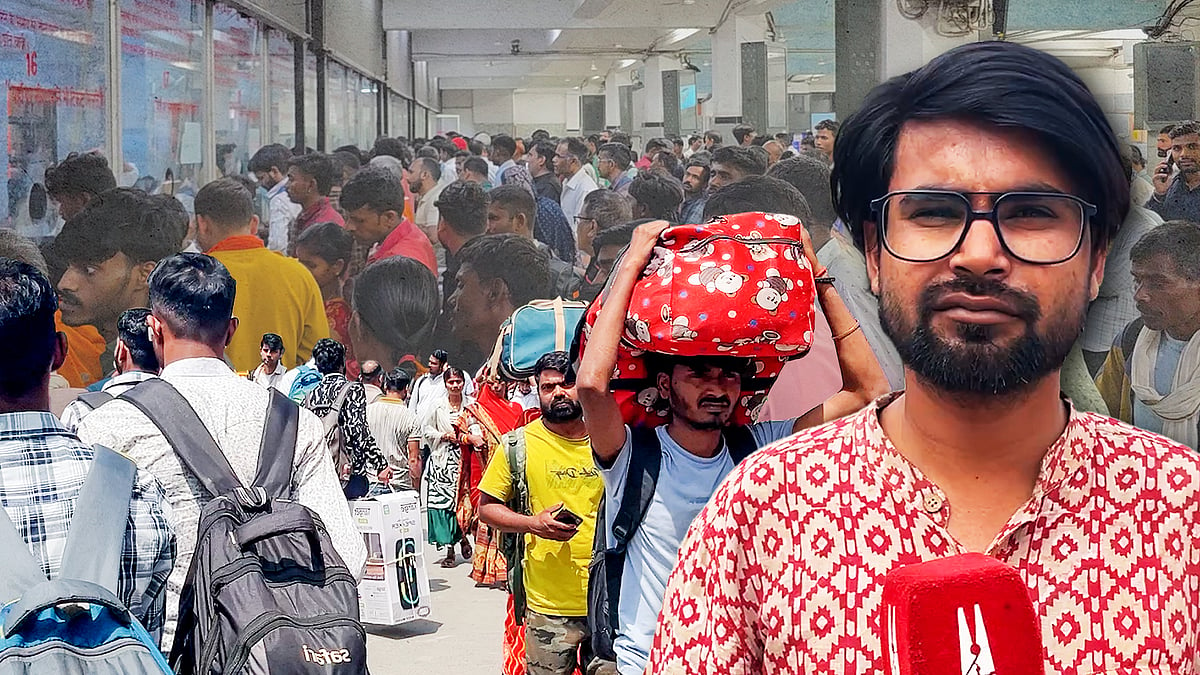 Cold stoves, broken dreams: LPG cylinder crisis triggers migrant worker exodus in Delhi
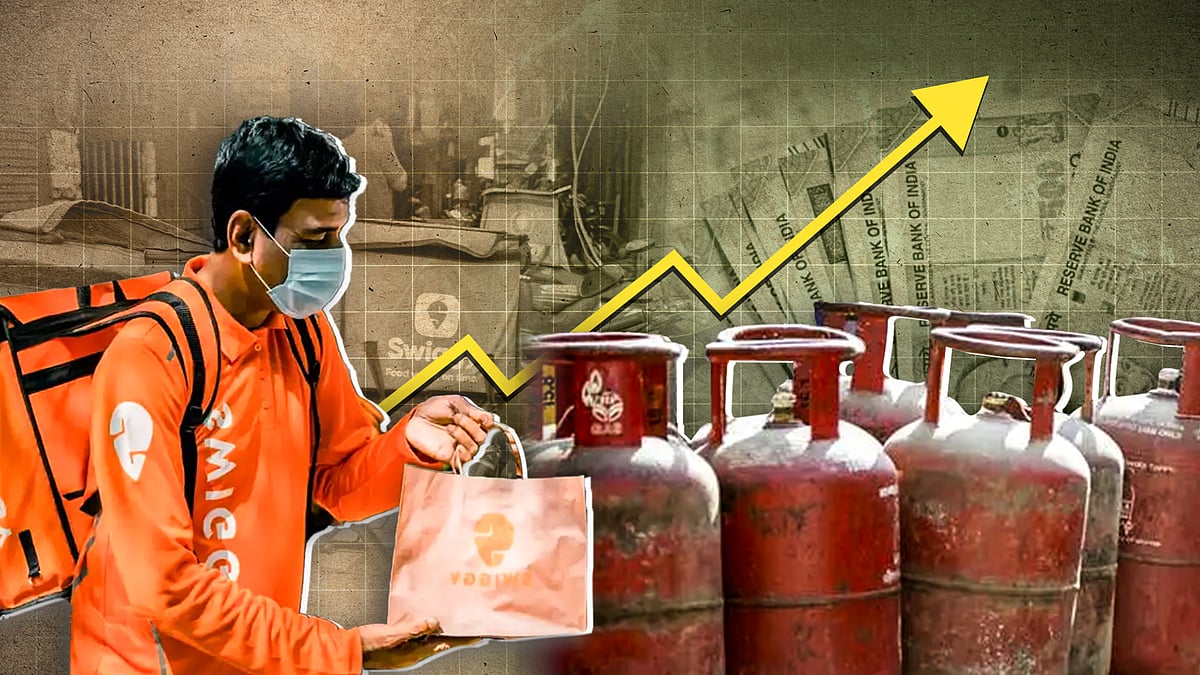 ‘I’ll have to go home’: How India’s LPG crisis is pushing gig workers to the brink