#MumbaiRains: When floodwater invaded KEM Hospital wards
The paediatric wards on the ground floor were badly hit, the young patients and their caretakers piled onto the beds.

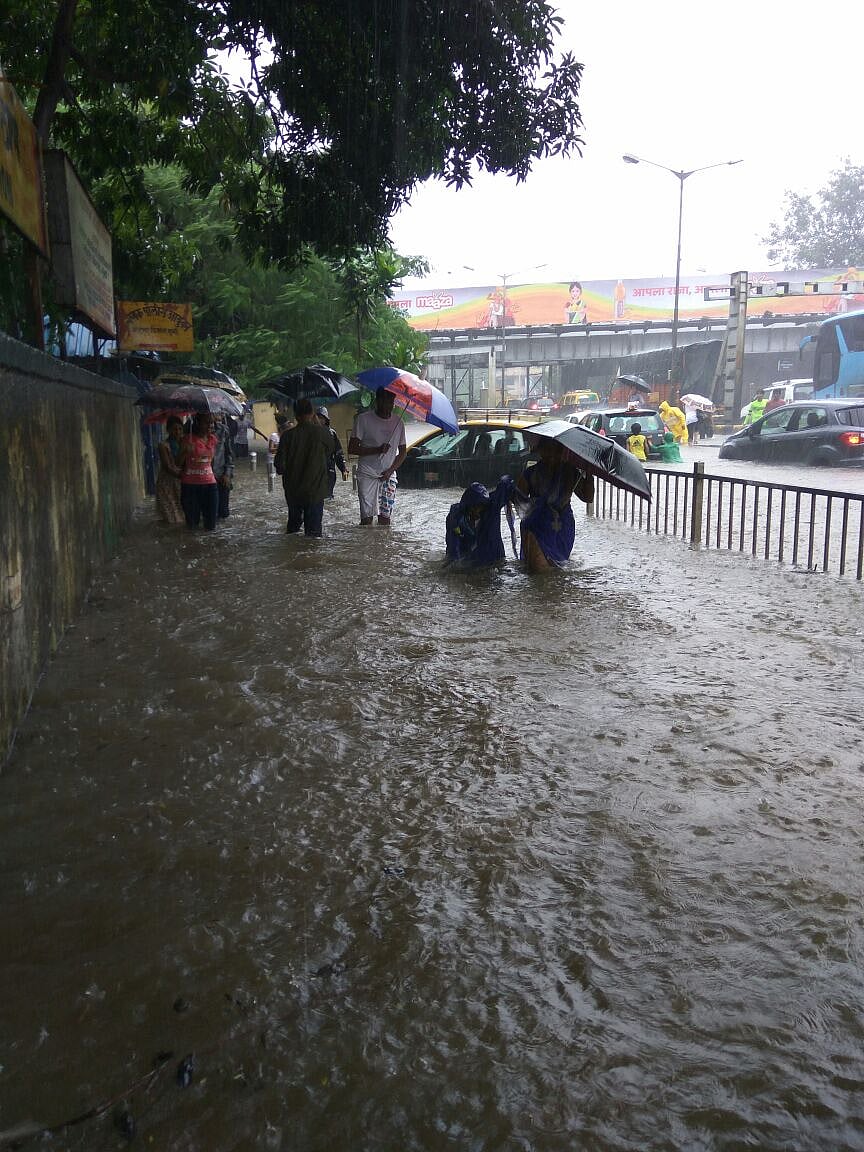
The otherwise red-bricked splendid edifice of the 20th-century heritage structure that is King Edward Memorial (KEM) Hospital in low-lying Parel area of Mumbai was flooded in the incessant downpour by the afternoon of August 29.
Nearly 5,000 patients throng the corridors of KEM every day. The situation began to worsen once the rains didn’t relent after 8.30 am and in three hours it was mayhem.
Floodwater started gushing in with great velocity from the streets of Parel into the hospital. Hapless patients and their relatives had nowhere to go as waters rose ankle-length first and then knee-deep. The most affected were physically challenged patients with plasters and children, who faced immense difficulty walking along the flooded corridors.
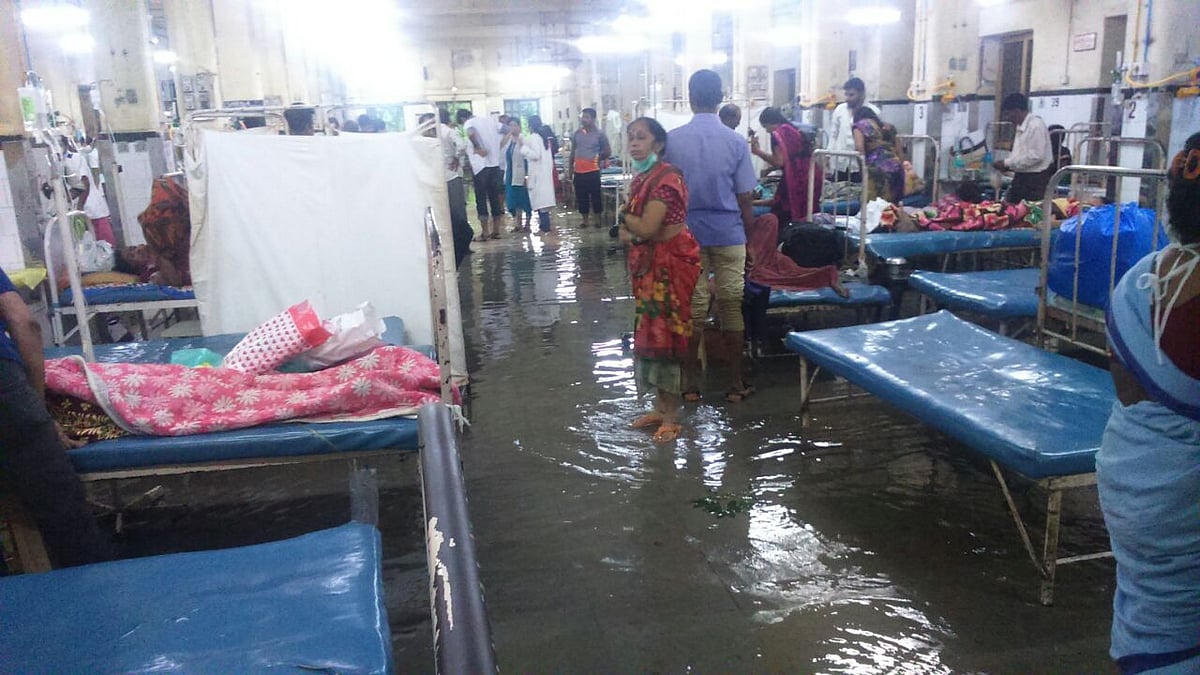
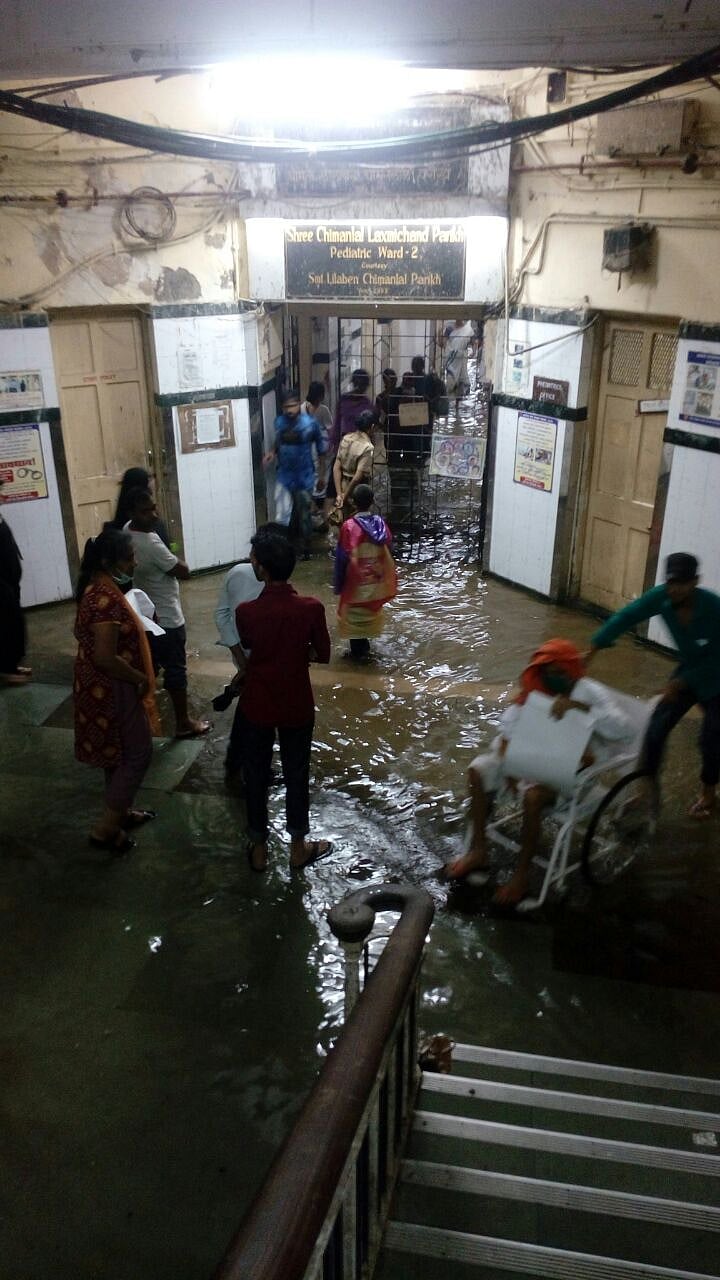
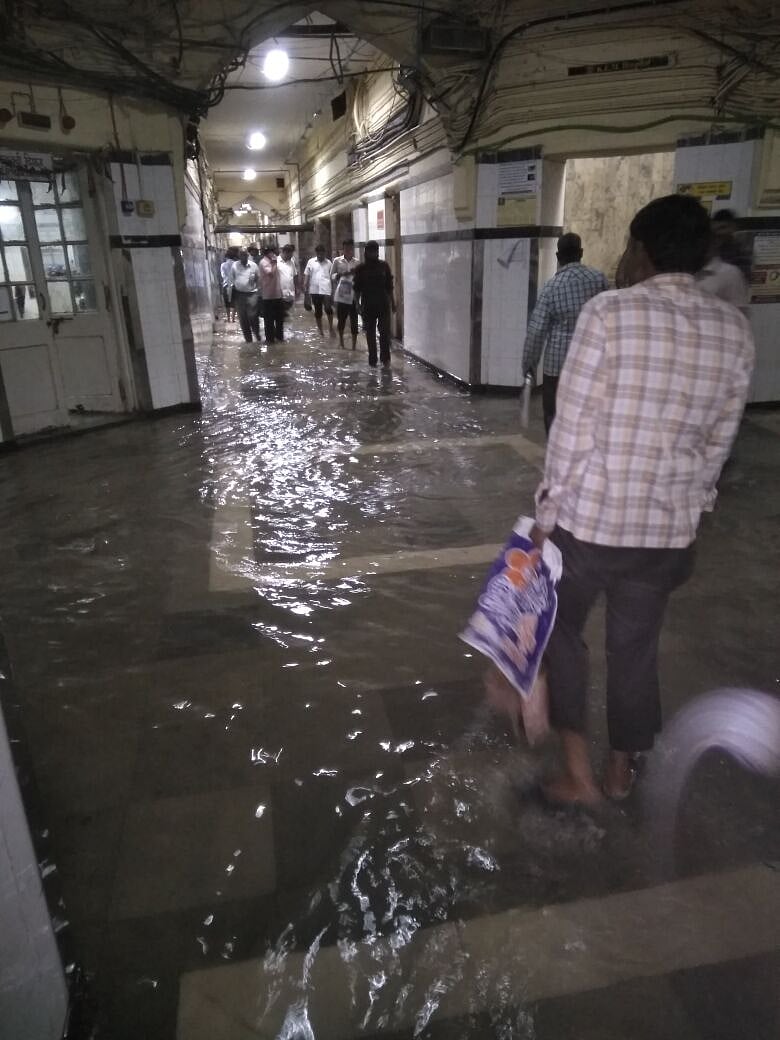
The children in the paediatric wards number one and two on the ground floor of the old hospital building block, which is also known as the heritage wing, were the worst off. Some 40 children are admitted in the ward at any given time. In the absence of adequate beds, patients and their relatives sleep on mattresses on the floor. This was not possible in the flooded ward. Up to four persons were huddled on each bed as water engulfed the wards.
It was a never-seen-before situation at the hospital. Earlier, during rains, the campus has been waterlogged, but the water had never entered the wards. Passages had been water-logged as well, making it extremely difficult to move from one ward to another.
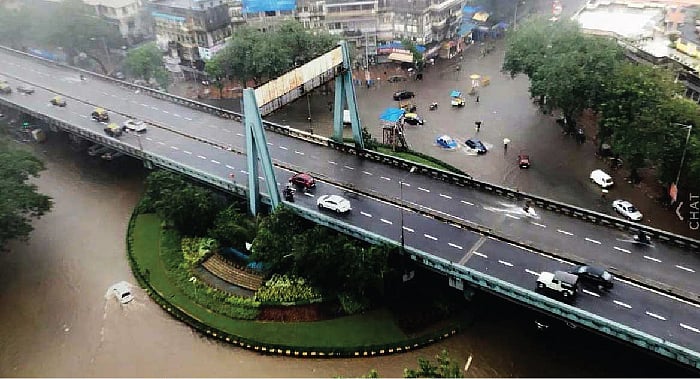
Departments of skin, psychiatry and the mortuary were cut off from the main building due to water logging and entry to the hospital was impossible.
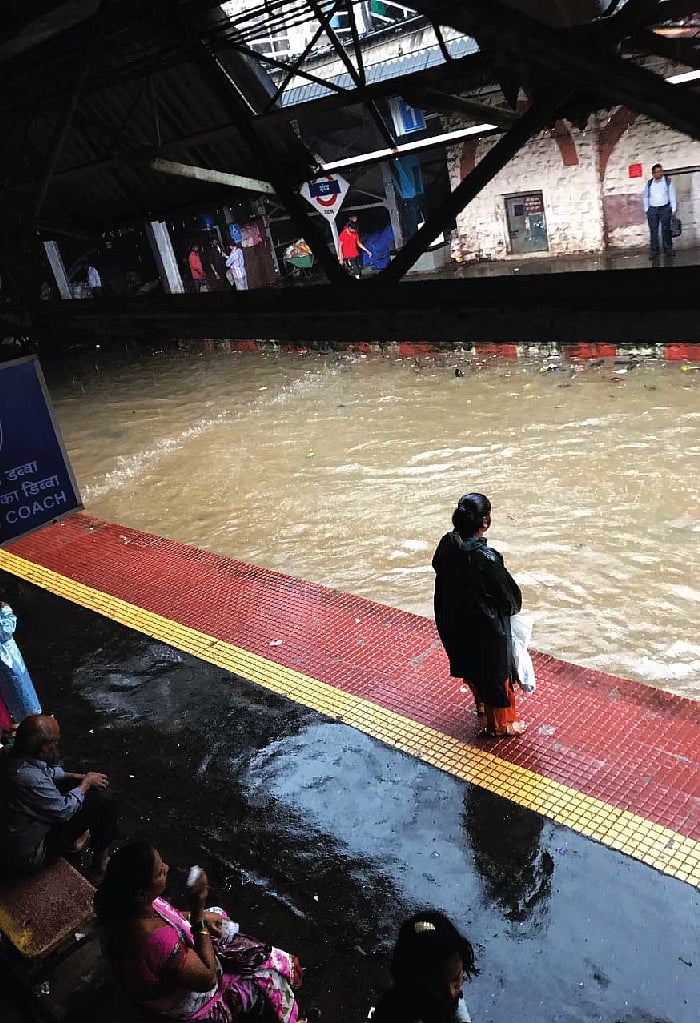
Patients from the ground floor were being shifted to the higher floors. Operating stretchers was becoming difficult by the minute for nurses and ward boys. Transporting food by trolleys from the kitchen to the flooded wards was a huge challenge.
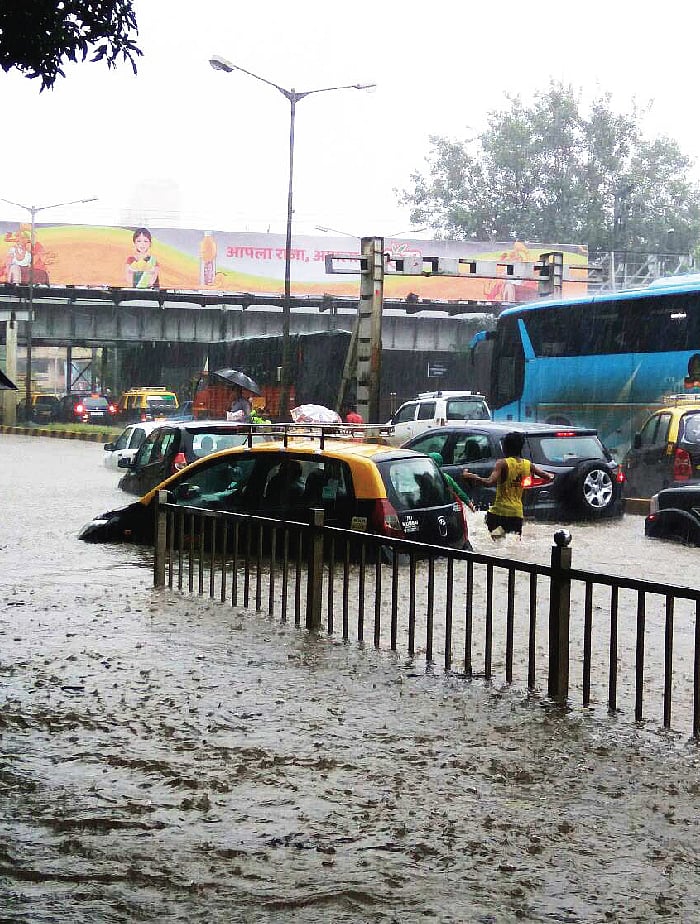
The gushing dirty waters will lead to a spike in infections in the hospital itself. KEM Hospital is a breeding ground for rats. Bacterial leptospirosis cases spread through dead rats, the floodwater being the carrier, finding its way into the human body through contact with dirty water, and will spike. Also Hepatitis A and E, water-borne infections, more popularly referred to as jaundice will rise. This is inevitable.
(An eyewitness account as recounted by a KEM Hospital doctor to Newslaundry)