Will AI destroy jobs? Here are the questions no one is asking
The 23-year-old data analyst is being told to reskill. Into what, exactly, is left as an exercise for them to figure out. Vivek Kaul on the human cost hiding behind the hype — and the questions that should be at every AI summit but aren't.

Read Part 1: The hype around AI is a trillion-dollar lie. And everyone is in on it.
“All make-up is a lie.” – Morrissey
“Tech will destroy more jobs than it creates.” – Vinod Khosla
“Aasman pe hai khuda aur zameen pe hum, aaj kal wo is taraf dekhata hai kam.”- Sahir Ludhianvi
The tech bros are making money. The PR agencies, the consultant and the thinktank ecosystem that keeps the mahaul around artificial intelligence (AI) going, is making money. The chief executives who are doubling AI spending despite 95 percent of organisations getting zero return are, for now, keeping their jobs.
It is always safer to fail conventionally than to succeed unconventionally.
But what about the 23-year-old data analyst, the copywriter, the call centre agent, the junior software engineer? They are being told to reskill. Into what exactly, is left as an exercise for them to figure out.
The simplistic answer to the question whether AI will destroy jobs is yes because that’s what increasing productivity means – fewer people are needed to carry out an economically value adding activity. But the actual answer is quite complicated.
So, while technology destroys jobs, it also creates new jobs and new industries. Consider the horse, once indispensable to transportation, its economic value was upended by the arrival of the railways and the automobile.
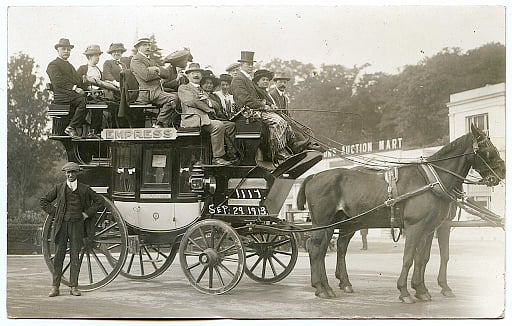
With that shift, a range of livelihoods gradually disappeared – intercity riders, carriage drivers within towns, farms that bred horses, workshops that built carriages and even those employed to clear horse manure from city streets.
Yet technological change did not simply eliminate work; it reshaped it. New jobs emerged in factories manufacturing railway coaches and automobiles. Drivers and locomotive operators were needed to run the new machines. The construction of railway lines and, later, national highways generated employment on a massive scale.
Technological breakthroughs also tend to trigger further innovations. As Martin Wolf notes in The Crisis of Democratic Capitalism: “Electricity brought refrigeration, the telephone, the skyscraper, air-conditioning and the early computer.” Each wave of innovation sets off another – creating fresh industries and new forms of work in the process.
Subscribe now to unlock the story

Why should I pay for news?
Independent journalism is not possible until you pitch in. We have seen what happens in ad-funded models: Journalism takes a backseat and gets sacrificed at the altar of clicks and TRPs.
Stories like these cost perseverance, time, and resources. Subscribe now to power our journalism.
Disruptor
$90
Annual auto-renew
- checkPaywall stories on both Newslaundry and The News Minute
- checkStronger together merch – Fridge magnets and laptop stickers
- checkPriority access to all meet ups and events, including The Media Rumble
- checkAll subscriber-only interaction – NL Chatbox and monthly editorial call with the team
- closeRSS feed of all paywall podcasts
- closeFour free one-month NL-TNM gift subscriptions
Game Changer
$250
Annual auto-renew
- checkPaywall stories on both Newslaundry and The News Minute
- checkRSS feed of all paywall podcasts
- checkStronger together merch – Fridge magnets, laptop stickers, mug
- checkPriority access to all meet ups and events, including The Media Rumble
- checkAll subscriber-only interaction – NL Chatbox and monthly editorial call with the team
- checkFour free one-month NL-TNM gift subscriptions
Already a subscriber? Login