No gas and no vote: Inside the two-front war on the poor that mainstream media misses
While newsrooms obsess over the Iran ceasefire and elections, millions of India's most vulnerable are fighting a domestic battle for basic survival and the right to exist on a voter list.

The US and Israel-led war against Iran might, or might not, end as the world holds its collective breath following the declaration of a ceasefire for two weeks. But in India, there are at least two wars that are affecting millions of ordinary people. As in West Asia, the people most affected did not ask for these wars.
To get a sense of what is going on in India, you must search hard to find the stories that record the distress of millions of people on two fronts: one, the lack of cooking gas, and two, being denied the right to vote.
Take the cooking gas crisis. Headlines are dominated by regular statements from the government saying there is no shortage and that people must not panic and believe rumours.
On the ground, however, the story is very different, as reports in some newspapers and on independent platforms like Newslaundry illustrate. The crisis hasn’t affected those with stable housing, the extra cash to keep a backup cylinder, or the official paperwork required to register with local gas dealers.
Those hit hardest are migrant workers, as this story by Sachin Chhabra on X illustrates. It tells us of the precarity of their lives, where literally one thing can push them to the city, or force them to return to their villages.
These are the people who bore the brunt of the Modi government’s sudden declaration of a national lockdown on March 25, 2020, during the COVID-19 pandemic, with only a few hours' notice. The prime minister’s statement, following the impact on the flow of petroleum-based products after February 28 and the attack on Iran, mentioned the pandemic. That was enough to fuel rumours of another lockdown.
Even though films and articles have been written about the impact of that lockdown on migrant workers, and the toll it took on their lives and their livelihoods, it was easily forgotten once the pandemic ended.
Yet, both video and print reports, such as this in The Indian Express and this by Saurabh Shukla, repeatedly point out that the lives of migrant workers remain precarious. They cannot withstand a disruption to something as essential as cooking fuel in their makeshift shelters. Despite the government's boasts of economic progress, these reports make it evident that these realities have not changed.
Take, for instance, reports like this one on the impact of the LPG crisis on industries in a city like Surat, a hub of all types of industry. Most of these are small and medium-scale. The workers they employ are on a contract basis. What they earn is sufficient if there is no disruption, like a pandemic or a shortage of cooking gas. Once this happens, their ability to survive in the city is drastically reduced, leaving them with no option but to return quietly to their villages.
Of course, in these industries, there are other ways in which the shortage of petroleum-based products or rising prices has affected their bottom line.
What is notable about these developments, or this virtual war on the poor, is that they are not dramatic, like the exodus following the lockdown. It is noted only when railway stations are crowded, or when there is news of industries closing. But it is a slow, deadly war on the ability of the most vulnerable in our cities to survive.
The reading and viewing public of our mainstream media newspapers and channels may not even understand why these workers are leaving. They do not know, or bother to find out, where these people live, even as they construct buildings and infrastructure, work in small factories, or work as errand boys. They do not know that, without a permanent address in the city, these people cannot get LPG connections; that, even before this crisis hit, they had been buying small-sized cylinders on the black market. The sudden shortage of these cylinders and the steep price escalation when they are available determine whether they can continue living in the city.
The other “war” being waged is on the right of people to vote.
With the first phase of Assembly elections concluding on April 9, the focus will now turn to West Bengal and Tamil Nadu. In the former, the most important issue is the disenfranchisement of lakhs of voters under the Special Intensive Revision (SIR) exercise conducted by the Election Commission just before the elections.
Once again, as with the exodus of migrant workers from our cities, the stories capture the magnitude of this “war”, such as this report in The Telegraph. The video reports illustrate how the SIR process is puzzling, angering and causing widespread despair in people, mostly Muslim and poor, who have been voters for decades and suddenly find themselves disenfranchised.
Furthermore, the redressal system is stacked against them getting any justice before their state goes to the polls, compounded by the Supreme Court's holding that they can wait till the next election, as this article by Yogendra Yadav in The Indian Express points out.
Here again, perhaps the magnitude of this “war” is not being fully appreciated by the rest of the country because it is focused on West Bengal. But if you read and listen to the stories, it is evident that this is a “war” that will be played out in many more states in the days to come.
Here, one must commend independent journalists and platforms that have captured the extent of the distress facing people denied the vote. Their reports, such as this one by Arfa Khanum Sherwani, highlight the gross unfairness built into the process of revising electoral rolls, which fails to give those disenfranchised enough time to appeal. And that too, by putting a system in place that seems stacked against the poor, and especially women.
These two virtually silent “wars” being waged in India illustrate the reality of this country that remains hidden if you watch only mainstream news channels. The voices of the marginalised cannot cut through the noise and din of political battles and the war of words that dominate so much of the news, in election season and even otherwise.
Elections are not just about who wins, but about the questions that often go unasked – and this time, they matter more than ever. Support our new NL Sena on the five upcoming assembly polls to help us follow the missing voters, the shifting politics, and the stories that could shape India’s future.
Complaining about the media is easy. Why not do something to make it better? Support independent media and subscribe to Newslaundry today.
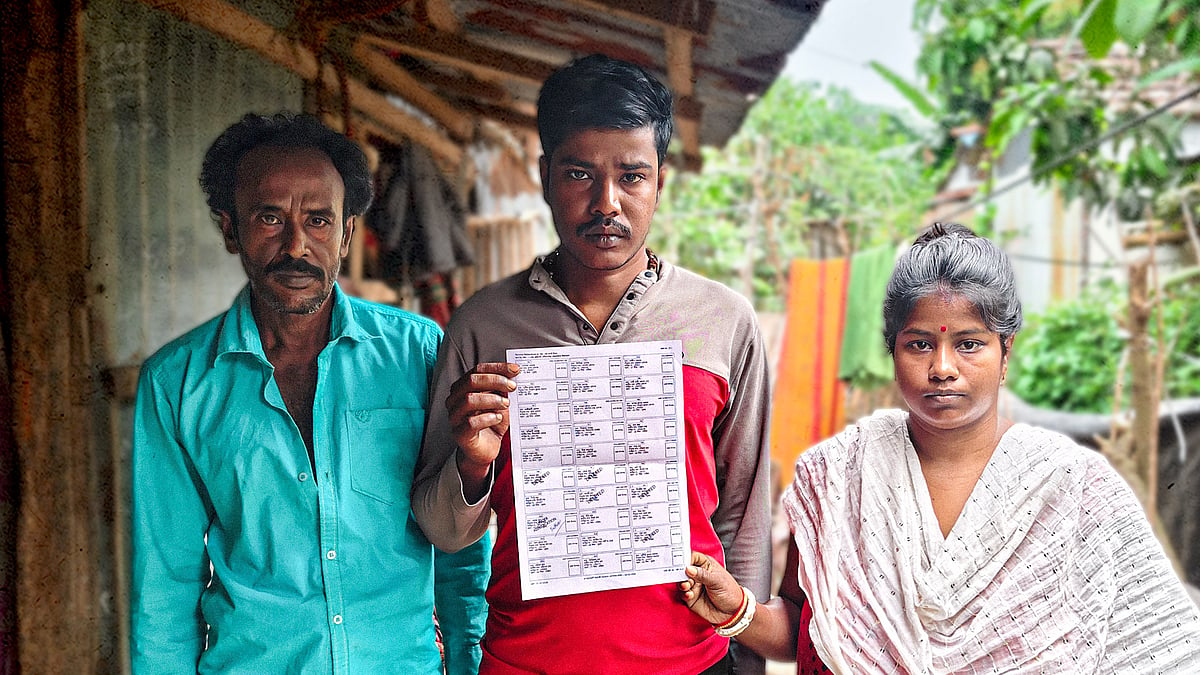 ‘Feels like a betrayal’: SIR deletions hit BJP’s own Hindu refugee base in West Bengal
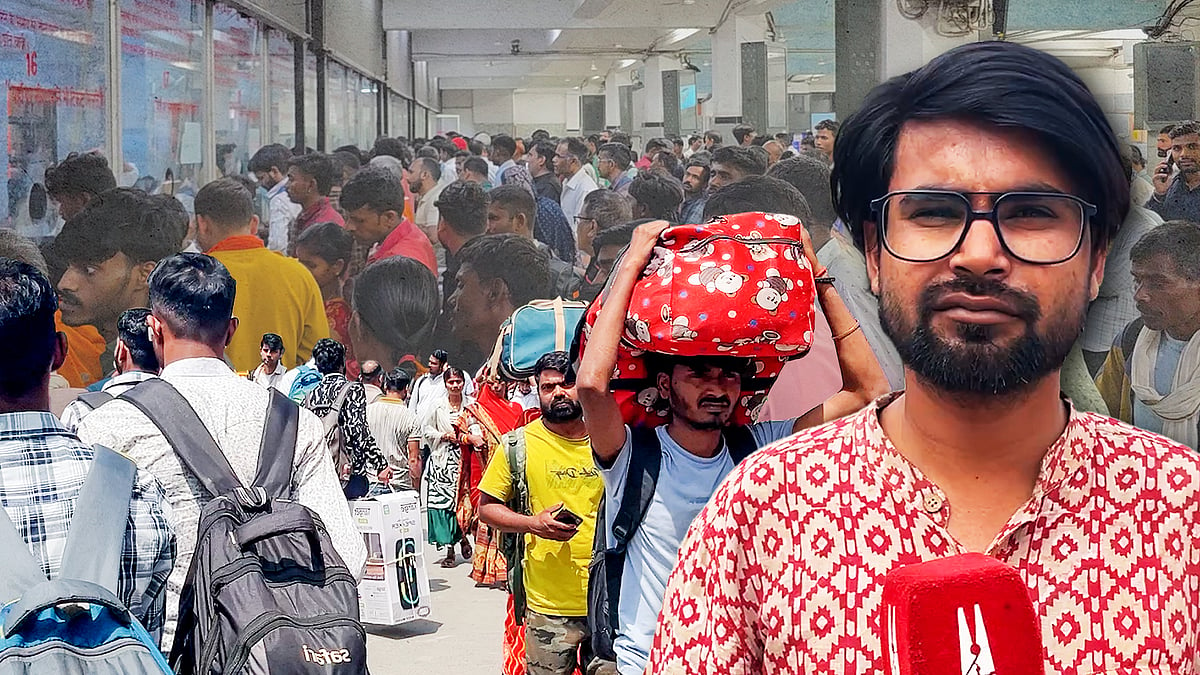 Cold stoves, broken dreams: LPG cylinder crisis triggers migrant worker exodus in Delhi