Deleted despite documents: Inside West Bengal’s ‘political’ SIR
Sreenivasan Jain is at ground zero to unpack the chaos that the Bengal SIR exercise has unleashed.
The run-up to elections in West Bengal has been anything but normal. The Election Commission’s Special Intensive Revision (SIR) has led to the exclusion of nearly 90 lakh voters from the electoral rolls. Of these, 27 lakh were excluded after being placed “under adjudication” over “logical discrepancies” in their documents, a criterion the commission has never used before. In this ground report, Sreenivasan Jain and his team unpack the chaos the SIR has unleashed.
The deletions do not appear random. Mounting evidence suggests that the design and implementation of the SIR have disproportionately affected Muslim voters. In Basirhat, in North 24 Parganas, Jain finds scores of voters queuing outside government offices, desperately trying to get their names included in the voter list. Excluded voters describe their disbelief and anguish at the surreal reasons for which their names have been struck from the list.
“I feel afraid, I feel terrorised,” says Halima Bibi, whose name was struck off after officials flagged an “improbable age gap” of less than 15 years between her and her father, despite documents showing he was 38 at the time of her birth.
Jain finds that even privileged voters have not been spared in this exercise. In Kolkata, Jain speaks to Wing Commander Mohammad Shamim Akhtar, a former Air Force officer who served for 17 years before taking premature retirement. Despite possessing all the required documentation and having held a diplomatic passport during his service, he found his name deleted from the rolls. “What is surprising is that no reason has been provided,” he says.
Several excluded voters blame the BJP for the Kafkaesque nightmare they are living through. One voter asks, “I am a poor person. I have to bring all my documents again and again, and leave my small children at home. Who is doing this? Modi?” Many of those affected are Muslim voters who have traditionally supported the Trinamool Congress, raising the possibility that the scale of deletions could significantly alter electoral margins.
Speaking to Jain earlier this month, West Bengal BJP leader Suvendu Adhikari denied any political bias. However, in the same breath, he claimed that “the fight is over” electorally after the SIR, openly hinting at a process favouring the BJP.
Discontent is also visible among Bengal’s Matuas, a Scheduled Caste community that migrated from Bangladesh, and was wooed by the Modi government with the promise of citizenship under the CAA. Jain visits a Matua colony in Nadia, where many now find themselves disenfranchised and disillusioned by the BJP.
When asked about whom she would vote for, a Matua resident whose family members have been struck off the voter roll says, “I will definitely not vote for the BJP… the BJP has troubled us a lot with the SIR.”
For many Muslim voters, however, the fear extends beyond disenfranchisement. Some worry about the prospect of detention and deportation.
“I am afraid… because Modi says we will send everyone to Bangladesh,” says Ripona Parvin, whose name was deleted over a spelling discrepancy.
Watch this ground report.
Elections are not just about who wins, but about the questions that often go unasked – and this time, they matter more than ever. Support our new NL Sena on the ongoing assembly polls to help us follow the missing voters, the shifting politics, and the stories that could shape India’s future.
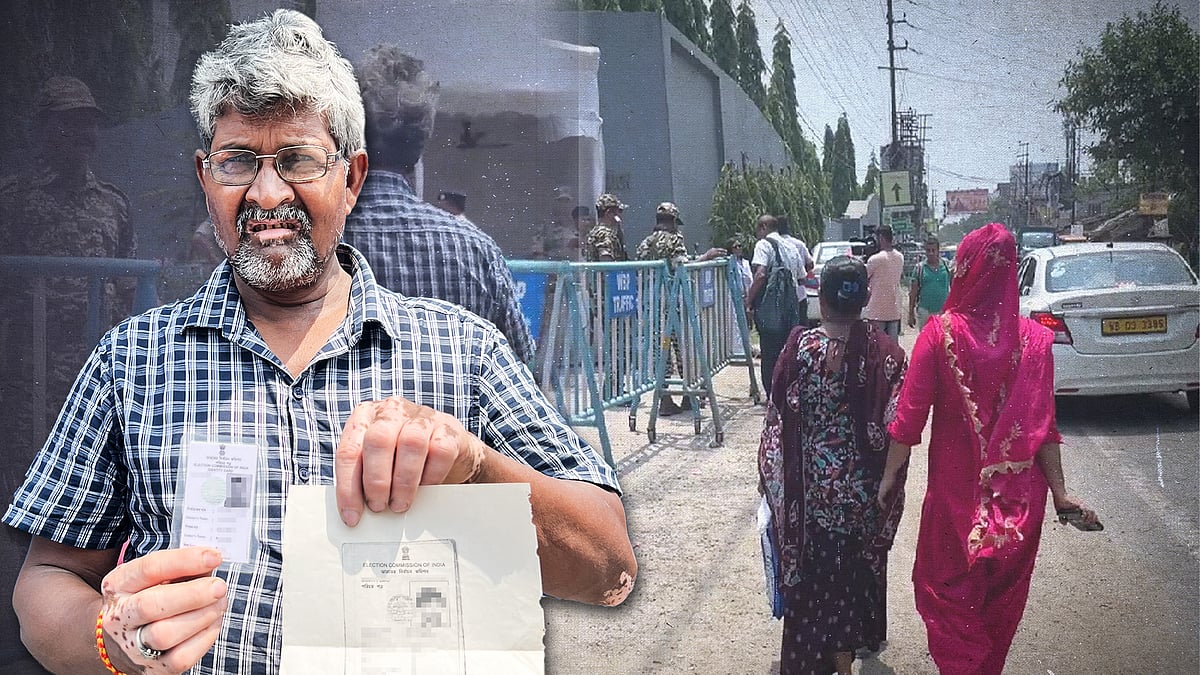 Appellate tribunals or a black hole? Where the Bengal SIR goes to bury a ‘second chance’
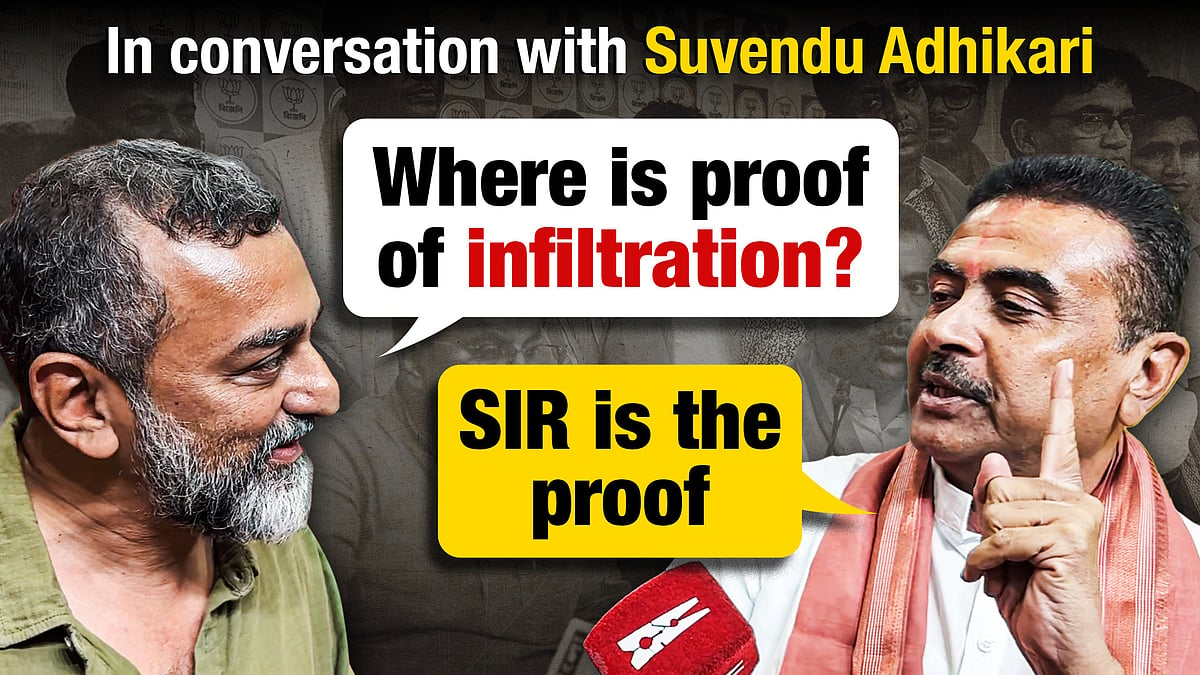 Infiltration, SIR, ‘washing machine’ | The Suvendu Adhikari interview
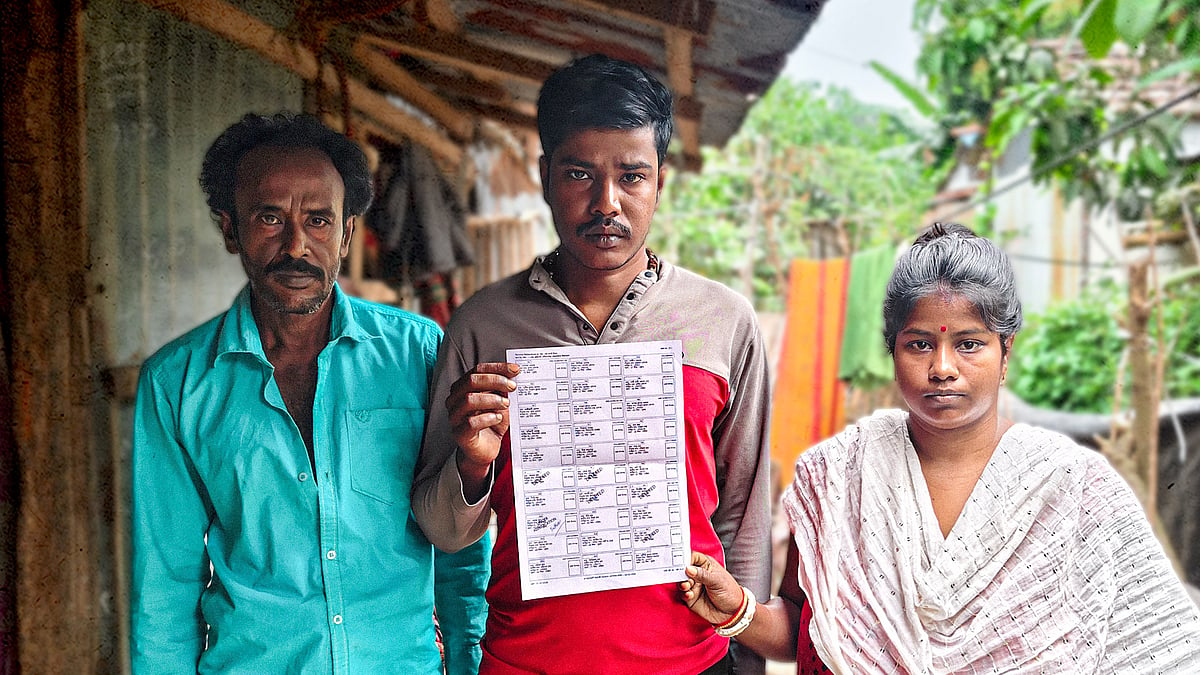 ‘Feels like a betrayal’: SIR deletions hit BJP’s own Hindu refugee base in West Bengal