-NaN:NaN:NaN
For a better listening experience, download the Newslaundry app


South Central 50: Kerala ends extreme poverty, Zohran Mamdani’s win
The podcast that delves into the stories shaping southern India.
Kerala has announced that it has “eradicated extreme poverty”, a claim that has drawn admiration, scepticism and everything in between. On South Central, hosts Dhanya Rajendran and Anisha Sheth speak to IAS officer Anupama TV, Special Secretary of the Local Self Government Department, and Professor Freddy Thomas from Bengaluru’s Christ University to understand how the state pulled it off.
Anupama explains that the state identified extreme poverty based on “four distress factors: safe shelter, income, food and healthcare”. Families were assessed through a “participatory process” led by local bodies.
“The initial list was scrutinised by the Gram Sabha, with enumeration and a 20 percent super check,” she says. The key difference, she emphasises, was that each family received a micro plan. “It was not one scheme for everyone. For each family, whichever interventions were needed – health, housing, livelihood – all were included.”
Freddy notes that this approach was “bottom-up and decentralised,” rooted in Kerala’s history of grassroots democracy. He says Kerala treats welfare not as a handout but as a “safety trampoline”, enabling people to rebuild their lives rather than stay dependent. However, he says the programme now needs “sustained monitoring and transparency” especially amid concerns that some tribal communities may have been left out.
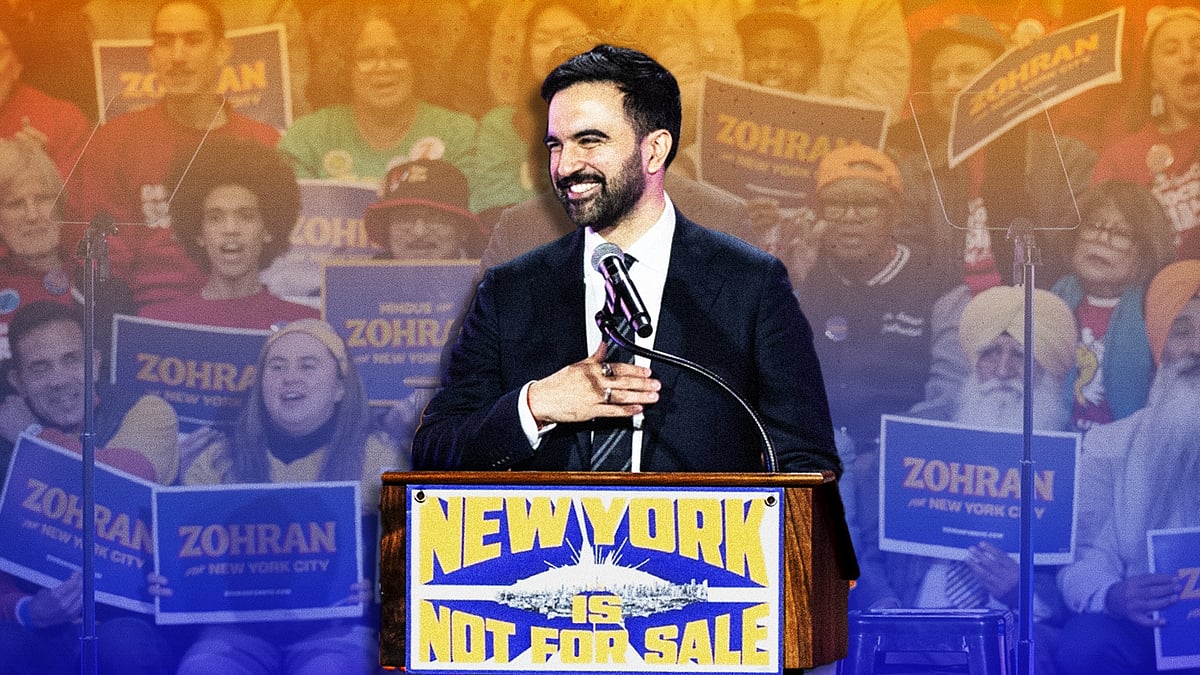
The panel also discusses Zohran Mamdani’s victory in New York City with journalist Prajwal Bhat, who joins from New York. Prajwal explains the intense reactions to Mamdani among sections of Indian right-wing, and how young voters turned out in record numbers.
Watch.
Listen & follow on Apple
Listen & follow on Spotify
Listen & follow on YouTube
Once a month, we will invite one TNM subscriber to the show. Write to us on what you would like to speak about to southcentral@thenewsminute.com.
Send your thoughts, suggestions, and criticism as well.
You can also let us know what you think by filling out our quick feedback form. Your suggestions help shape future episodes of South Central.
Audio Timecodes
00:00:00- Introduction
00:01:44 - Ayodhya of the South
00:04:03 - Headlines
00:14:02 - Kerala eradicates extreme poverty
00:49:26 - Mamdani wins
01:09:51 - Yogendra Yadav on SIR
01:25:02- Recommendations
References
Ayodhya of the South – A timeline of ‘time immemorial’
Ayodhya of the south: The Sangh’s southern rehearsal
RSS has a long-term plan in Kerala — it’s building local economic communities
How Zohran Mamdani has taken the Kejriwal Model to New York
An Emboldened Mamdani Sheds Conciliatory Tone
Recommendations
Freddy Thomas
Accelerating India's Development
Prajwal Bhat
Anisha Sheth
Dhanya Rajedran
Become a subscriber. Click here.
Contribute to our reporting fund. Click here.
To check out our other shows, click here.
Join our WhatsApp channel so you never miss an update. Click here.
Produced by Bhuvan Malik, edited by Jaseem Ali.
For now, South Central is free to listen. Before it goes behind a paywall, why not subscribe? Click here and get access to all our paywall content, from videos to investigations, ground reports to podcasts.
 How Zohran Mamdani united New York’s diverse working class
NL Digest
A weekly guide to the best of our stories from our editors and reporters. Note: Skip if you're a subscriber. All subscribers get a weekly, subscriber-only newsletter by default.