After convicting a lynch mob, a judge becomes communal campaign’s target
Judge Tabassum Khan had sentenced 14 men to life imprisonment for the killing of truck driver Sheikh Lala Nazir Ahmed.

Communal slurs. Threats. A campaign centred on a judge’s religious identity.
This is how some Hindutva footsoldiers have decided to respond to a verdict in a 2022 mob lynching case in Madhya Pradesh.
On June 12, Tabassum Khan, Additional District and Sessions Judge of Narmadapuram district, had sentenced 14 men to life imprisonment for the killing of truck driver Sheikh Lala Nazir Ahmed in Seoni Malwa tehsil’s Barakhar village.
While protests against a verdict may be a lawful part of public life, what has followed Khan has gone well past that. There has been a deliberate effort to recast a lynching verdict as a Hindu-Muslim issue because the judge who delivered it is Muslim. Cow vigilante groups have burned her effigy and branded her “anti-Hindu”. Some have filled social media with abusive posts.
The hostility isn’t confined to vigilante groups online. Suresh Chavhanke, owner of Sudarshan News, used his platform to brand the court’s verdict a “judicial lynching”. On air, he declared: “We stand with all the gau-rakshaks (cow protectors) and their families. This fight is not yours alone; it is ours too.”
An FIR has now been registered at Seoni Malwa police station over the social media campaign against the judge, especially a video in which a man spoke communal slurs and warned of a “bloodbath” if the verdict was not struck down.
Station House Officer Sudhakar Bhaskar confirmed the action: “Taking suo motu cognisance, we registered an FIR on June 23 against two individuals who made comments on social media. A case has been registered against them under Sections 302 and 196(1) of the BNS. With the help of the cyber cell, we are trying to trace the origin of the viral video and identify who circulated it. We continue to monitor social media.”
‘Earlier, there was suo motu cognisance’
Khan refused to comment for this story citing “judicial decorum”.
However, advocate Hazari Lal Gurjar, president of the court’s bar association, questioned the lack of suo motu cognisance when a woman judge was receiving “death threats” and her “religion is being targeted”. “Previously, suo motu cognisance used to be taken in such cases, but now High Court judges are sitting idly by. A woman is being subjected to vile, gender-based abuse… I am the Bar President, but tell me, what can I do? What is the High Court Chief Justice doing? Shouldn’t they be initiating contempt of court proceedings? It is shocking that not only these people but also some journalists from news channels are engaging in this behaviour.”
Gurjar says the situation had turned communal on the day of the verdict itself. “The families of those 14 individuals had also come to court that day. As soon as the police began arresting and taking them away after the verdict, their relatives started protesting. They lay down in front of the police vehicle; the police had difficulty removing them from the spot. That was the day this entire matter was given a Hindu-Muslim colour.”
Advocate Sumit Gehlot blamed the protests on ignorance. “Look, whatever is happening is due to a lack of awareness. People haven’t read the order. They are escalating the issue based on hearsay. They are far removed from the facts.”
Former Chief Judicial Magistrate Pawan Kumar pointed to a legal remedy that’s being ignored. “If someone feels the verdict is incorrect, there is a provision for appeal. No one should make personal remarks. There are various grounds available to challenge a judge's verdict; those should be utilised.”
Protests widen
What started in Narmadapuram has spread far beyond Madhya Pradesh.
On June 22, the Gau-Raksha Parishad staged a protest in Peer Muchalla, Mohali, Punjab, demanding the release of the 14 convicts. The crowd burned an effigy of Judge Khan and chanted slogans — “Down with Tabassum Khan” and “Release the cow protectors”. Footage of the burning effigy is now circulating widely online.
Elsewhere, the threats have escalated into something more sinister. One social media user was filmed hurling abuse at Khan, warning of a “bloodbath”.
In another video, a self-described cow protector stands beside a truck and says: “There are cattle in this truck, but why should we save them? Because 14 of our cow protectors in Madhya Pradesh were punished; if we stop this vehicle today, we too will face the same punishment they received. We will not engage in cow protection of this sort. Tabassum Khan will have to reverse the decision she has made.” The post calls for cow protectors from Agra to march against Khan on June 28.
Daksh Chaudhary and Prakash Singh, who call themselves “gau rakshak”, also posted videos on the matter. In Lalitpur, Uttar Pradesh, the Antarrashtriya Hindu Parishad–Rashtriya Bajrang Dal held a sit-in inside the Collectorate premises, raising slogans against the verdict.
The judgment
The men convicted – Pak alias Baba Kevat, Ajju alias Ajay Rathore, Prakash Kaushal, Pawan Bathav, Amar alias Bhola Bathav, Kanhaiya Bathav, Anuj alias Ballu Raghuvanshi, Sanju alias Rajendra Kaushal, Akash alias Pintoli Bathav, Gaurav Yadav, Akash Sarathe, Chetan Maratha, Devendra alias Chhotu Kori, and Sandeep alias Raja Kaushal – were found guilty under Sections 341, 148, 307/149, and 302/149 of the IPC.
The case dates to the night of August 2–3, 2022. Truck driver Sheikh Lala Nazir Ahmed, travelling with associates including Sheikh Mushtaq, was transporting cattle from Nanderwada, Madhya Pradesh, to Amravati, Maharashtra. Near Barakhad village in Seoni Malwa, their vehicle was intercepted and the occupants assaulted by a mob. Nazir Ahmed died of his injuries.
The court held that the accused formed an unlawful assembly with a common objective to attack the truck’s occupants, and convicted them on that basis. It found the assault “extremely brutal,” citing post-mortem evidence of multiple severe injuries, including to the head, and termed the killing a clear case of mob lynching.
Complaining about the media is easy. Why not do something to make it better? Support independent media and subscribe to Newslaundry today.
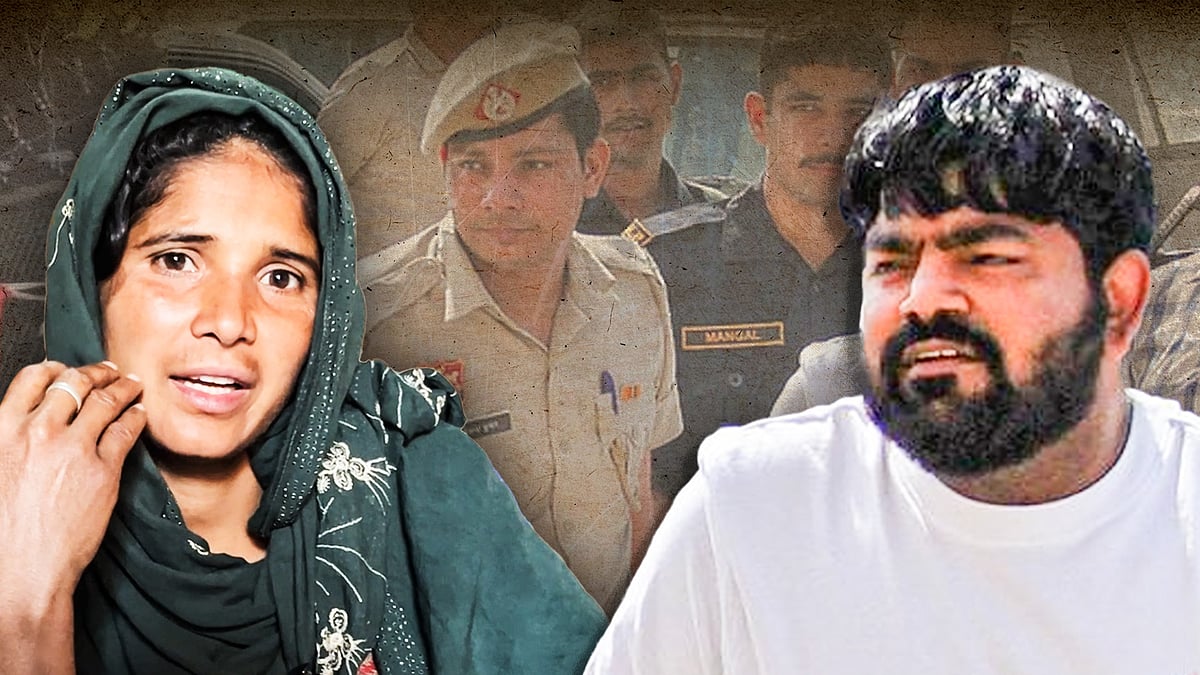 Three years, no trial: Bail for Monu Manesar ignites fresh anguish for Nasir and Junaid’s families
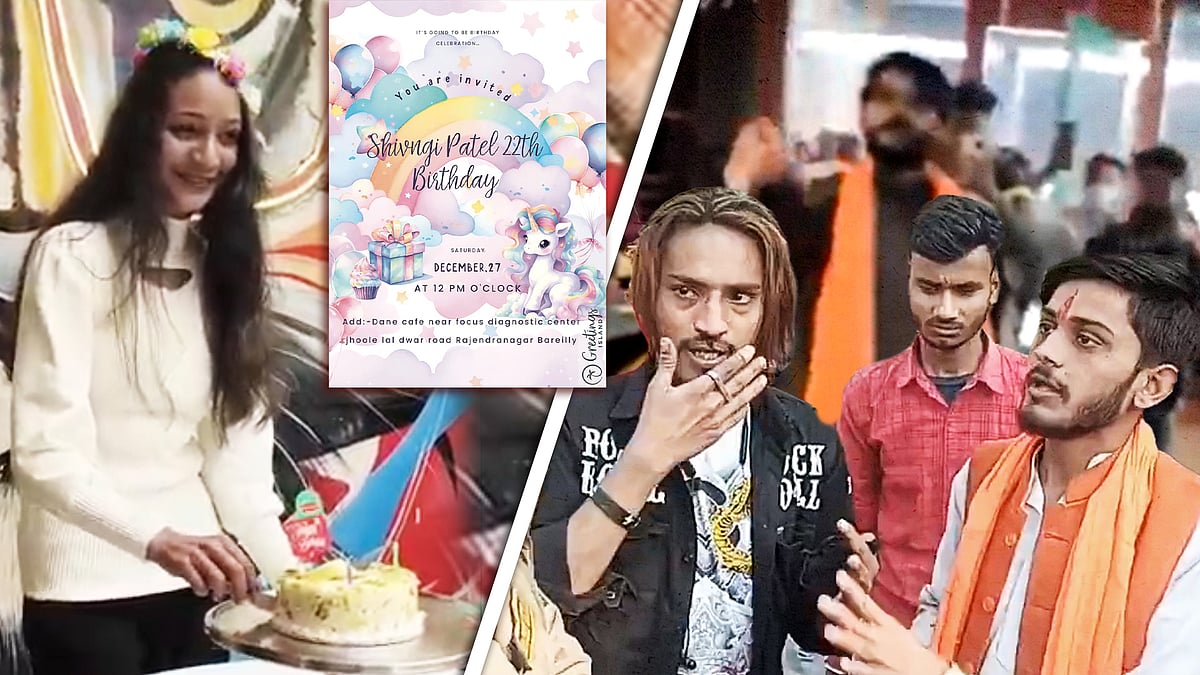 ‘Should I kill myself?’: How a woman’s birthday party became a free pass for a Hindutva mob
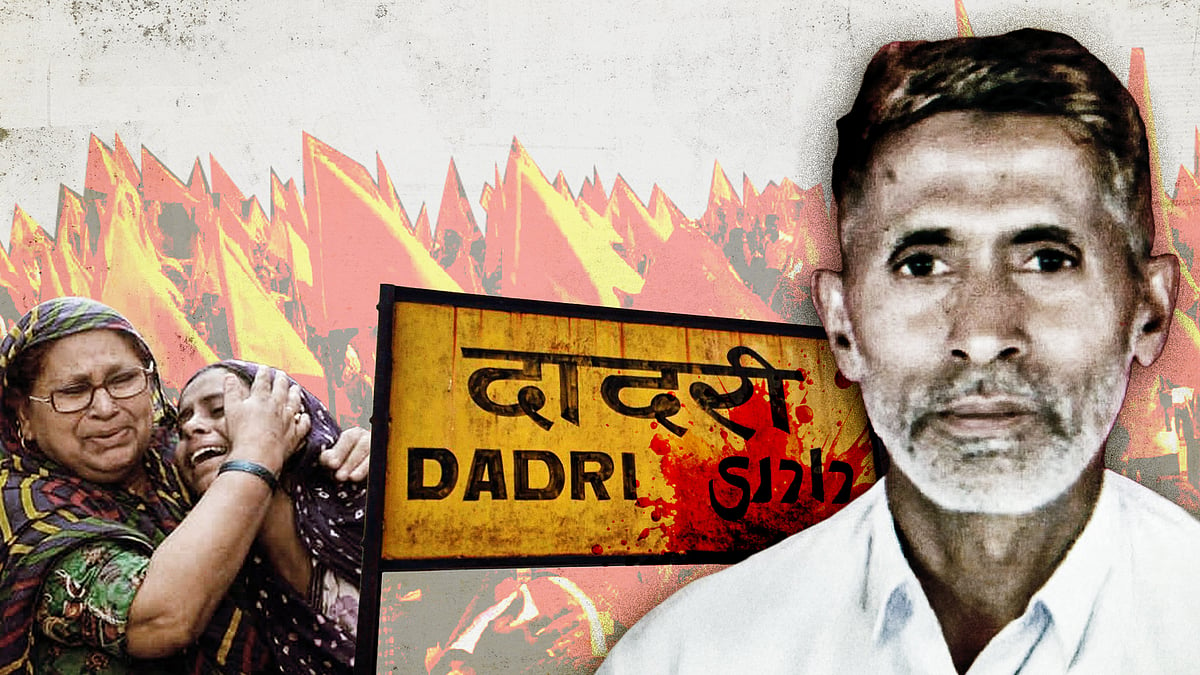 Dispatch from Dadri: The lynching that shook India, and govt U-turn stirring it again