Dileep verdict: Editorials question ‘patriarchal elements’, decision to welcome back actor
It was one of Kerala’s most closely watched trials in recent memory.

Earlier this week, the Additional Special Sessions Court in Ernakulam delivered its verdict in a case that became one of Kerala’s most closely watched trials in recent memory. After a five-year trial, actor Dileep, accused of masterminding the abduction and sexual assault of an actor, was found not guilty in a case which many saw as an ugly reminder of the brazen misogyny that exists within the Malayalam film industry.
While the court acquitted Dileep, it did find six accused, including prime accused, Pulsar Suni, guilty on multiple counts, including gangrape, wrongful confinement, destruction of evidence, and the taking and distribution of obscene images. Despite the outcome and the disappointment that followed, many of the survivor’s supporters rallied behind her, revitalising their powerful slogan: “Avalkkoppam” (I’m with her).
As the media continued to unpack the verdict, major national and regional dailies, except The Hindu, had a lot to say about it in their daily editorials. None of the major Hindi newspapers had a view on the judgment.
The case
In February 2017, a renowned actor was kidnapped and sexually assaulted in a moving car in Kochi. A couple of months later, actor Dileep, a major star in the Malayalam film industry, was arrested, and accused of masterminding the crime. From thereon, the case witnessed a series of dramatic twists and turns from multiple petitions seeking a change in the judge to many witnesses turning hostile.
It has been a complicated case. As explained in this TNM report, Judge Honey Varghese, who oversaw these proceedings, came under a lot of media scrutiny: “This is because the survivor had approached both the Kerala High Court and Supreme Court on at least three occasions, requesting that her case be transferred from Judge Honey’s court. The survivor’s appeals made it clear that she felt re-traumatised by the judge’s handling of the proceedings.”
The case also led to significant milestones in the history of Malayalam cinema, including the formation of the Women in Cinema Collective (WCC) in 2017 – a group of women actors who came together to support the survivor. They pushed the Kerala government to set up a committee led by Justice K Hema to look into the Malayalam film industry’s “culture of harassment and intimidation", according to The Indian Express.
The committee submitted its report in 2019, but it was made public only last year. It was a first-of-its-kind report in India chronicling the multitude of issues faced by women in the Malayalam film industry, including poor working conditions, while also revealing horrific accounts of sexual exploitation by powerful male figures.
The Indian Express
In its editorial, headlined “Kerala case has a silver lining, breaks a silence”, the Indian Express highlighted the positives that emerged from the case, despite the verdict. “Since 2017, when the survivor went to the police, this solidarity, and the entrenched silence that it has helped break, has been the silver lining that glimmered through the cloud that hung over the case,” it said.
The editorial also highlighted the positives that emerged from the formation of the WCC and the Justice Hema committee report: “As more women felt encouraged to come forward with their stories of mistreatment and abuse, a space opened up for conversations that had never happened before. Film sets across the country were, for the first time, brought under the ambit of the POSH Act – mandated by the Kerala High Court in response to a petition by the WCC.”
It added that despite the adverse verdict, “the dents and cracks in the structures of power across India’s film landscape, which have long determined who is heard and who is silenced, can no longer be papered over. However, it concluded that despite the solidarity and courage on display by the survivor and her supporters, “a larger reckoning must go on.”
Deccan Herald
In its editorial, headlined “Survivor stands tall, system falls short”, the Deccan Herald noted that the verdict “raises many questions about the delivery of justice, women’s safety, and judicial and social attitudes concerning them”. The editorial argued that the verdict did not give “satisfactory answers” to questions raised about “justice and women’s safety and honour”.
It went on to describe the ordeal the survivor went through and how the 28 witnesses who turned hostile, and the “seemingly convincing claim of a money trail from the alleged mastermind to the first accused who perpetrated the rape”, did make a difference to the final verdict. The editorial affirmed the positives of the WCC and the Justice Hema Committee.
“The judgment has led to affirmation of support for the survivor from large sections of society, but also the digging in of patriarchal elements that always supported the acquitted star,” it said.
Hindustan Times
In its editorial, headlined “More than just a sexual assault case”, the Hindustan Times highlighted the failure of the prosecution and the “lack of closure for the victim”.
Despite the verdict, the editorial noted how “a significant outcome of the case was that it initiated a conversation about the underbelly of the Malayalam film industry, with implications for work relations in other language cinemas as well,” highlighting the emergence of the WCC, and the Justice Hema Committee and its report, and the pressure they brought on the Kerala government to acknowledge the the lack of “basic work norms” for women in the film industry.
“Independent of the developments in the present case – the government is set to appeal against the order – the conversation on gender rights in the film industry must continue, and not merely in Malayalam cinema, but across the many regional cinema worlds in India,” it said.
The Times of India
In its editorial yesterday, headlined “Plight, Camera, Inaction”, the daily raised serious questions about the verdict acquitting Dileep. It stated: “Justice may be blind, but even a slight sniff of the to-and-fro since 2017 in this high-profile case shows that the free-pass doesn’t quite pass the smell test. Surely, the trial court wasn’t blind to that?”
The editorial then chronicled the various twists and turns in the case, the major gaps in the legal process, and the ordeal the survivor had to go through, noting how she was “vilified, suffered a smear campaign”. The Daily also highlighted the positives that emerged from the case, including the formation of the WCC and the "revelatory" Hema Committee report.
But it concluded with a sobering point: “There was hope the report would spur similar wake-up calls across other Indian film industries. Alas, that was not to be.”
“Acquitted, Dileep’s ‘status’ is apparently restored. For him, it remains a case that’ll drag on. For her, the fight for justice consumes her life and career," it added.
The New Indian Express
In its editorial yesterday, headlined “Verdict shouldn't turn clock back in Mollywood”, The New Indian Express noted: “The survivor’s courage and Dileep’s arrest were turning points for the Malayalam film industry in more ways than one. The sexually suggestive jokes passed off as slapstick comedy – a trademark of many Dileep films – began to recede. The industry ushered in a new wave of cinema that was more inclusive and appealed to a pan-Indian audience.”
It also highlighted the formation of the WCC and the release of the Hema Committee report as positives emerging from the case. The editorial also praised the survivor for continuing “her cinematic journey instead of withdrawing from public view”, adding that her “act of courage” had “inspired others facing similar ordeals”. But it concluded with concern over the response of the Association of Malayalam Movie Artists and the Malayalam Cine Technicians Association.
It said: “Their swift decision to welcome the actor back into their fold is troubling, especially when the survivor is one of their own and an appeal is imminent. It is the responsibility of every progressive film lover to ensure that this verdict does not reverse the shift in power dynamics and film grammar that the case had helped bring about.”
Twenty-five years have transformed how we consume news, but not the core truth that democracy needs a press free from advertisers and power. Mark the moment with a joint NL–TNM subscription and help protect that independence.
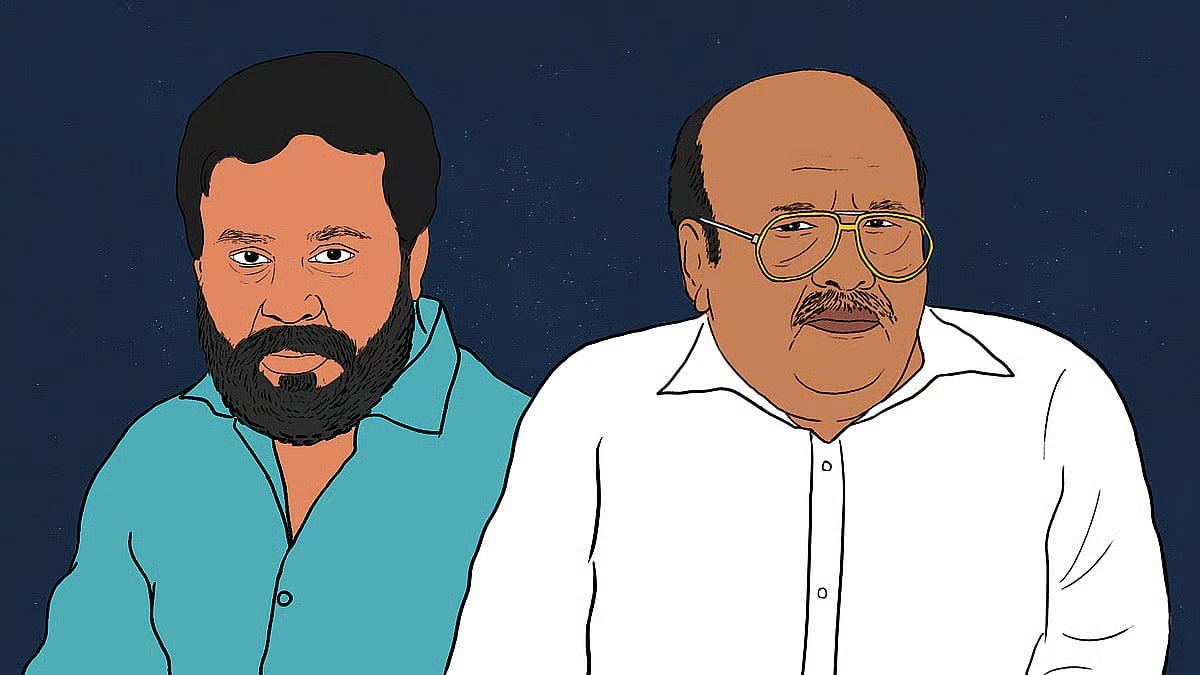 Raman Pillai: The celeb lawyer who helped actor Dileep walk scot-free
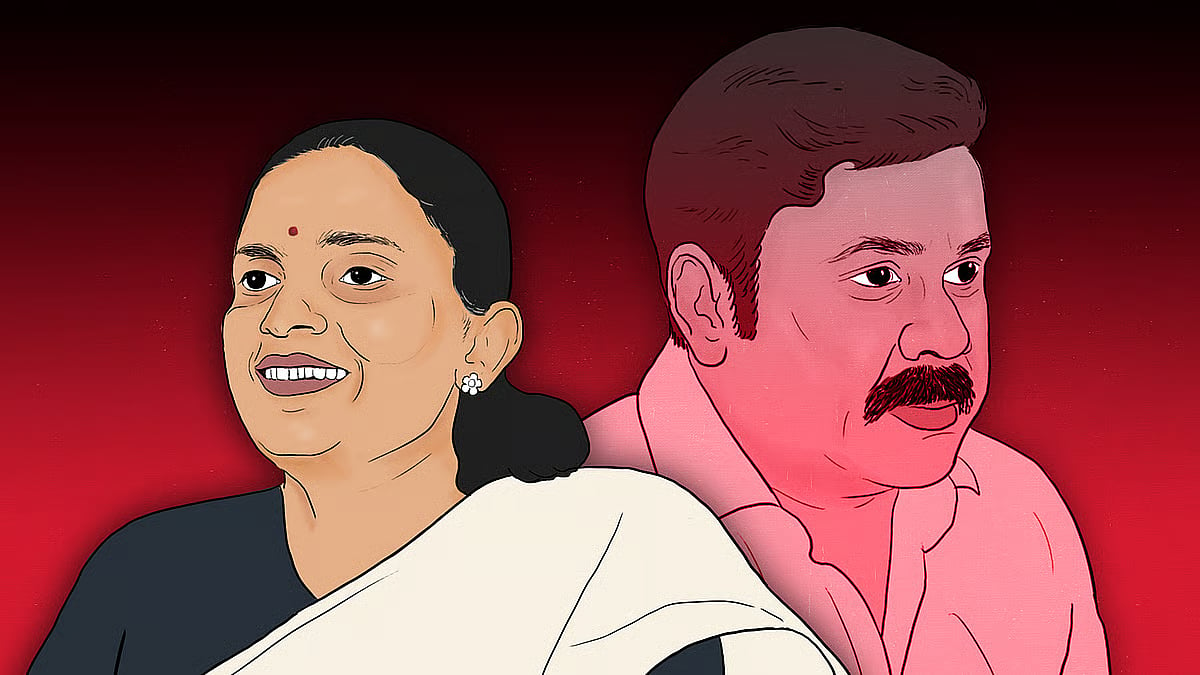 The judge behind Dileep’s acquittal: Who is Honey Varghese?